From Awareness to Action: Aarabhi’s Journey Towards Cleaner Air
How a Grade 6 student from Ranibari is spreading awareness on air pollution in her community
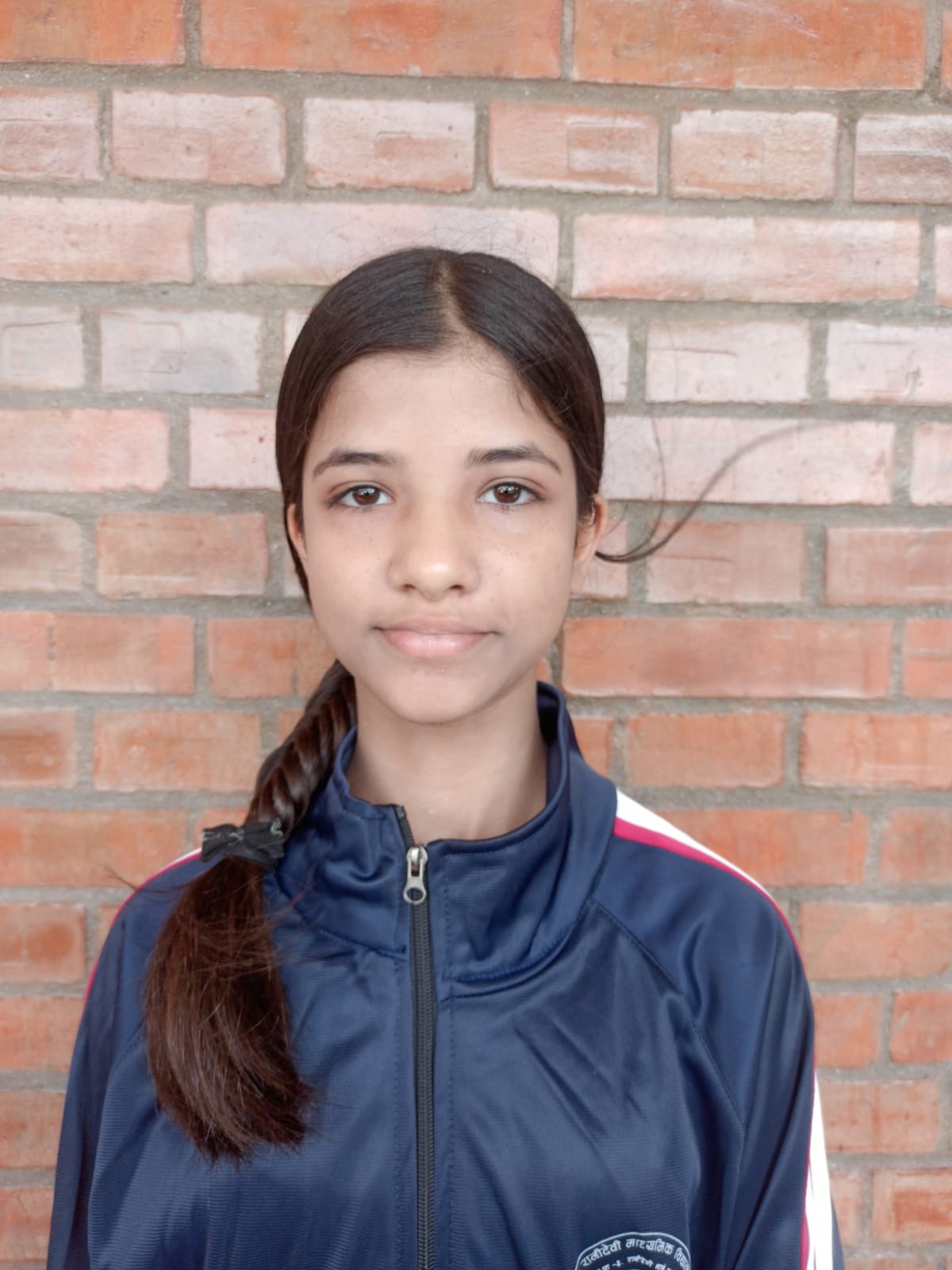
Aarabhi Lamsal, a Grade 6 student at Shree Ranidevi Secondary School, lives in Ward No. 3, Ranibari of Kathmandu Metropolitan City. Growing up in a semi-urban environment where vehicle smoke, road dust, and waste burning are common, Aarabhi had a basic understanding of air pollution but lacked detailed knowledge about its causes, impacts, and prevention.
Aarabhi lives in a family of seven members with her father Uttam Lamsal, mother Ritu Lamsal, three elder sisters, and one younger brother. Her father is engaged in a small business, while her mother works as a resort manager. Like many children in her community, she had often seen people suffering from coughs and breathing difficulties, especially during the winter season, but did not fully understand the reasons behind these health issues.
Her understanding began to change after she participated in an air pollution awareness session conducted under the project “Breathing Easier: Protecting Children from Air Pollution” implemented by Clean Up Nepal. Before attending the session, Aarabhi only had a general idea about pollution. However, the session provided her with in-depth and practical knowledge that transformed her perspective.
Through the session, Aarabhi learned about the major sources of air pollution and their direct impact on children’s health. She also gained knowledge about how to measure and understand air quality using air sensors and monitors. She learned that different colours and numerical values indicate different levels of air quality-green representing good air where masks may not be necessary, red indicating unhealthy air where wearing a mask is important, and purple indicating very hazardous conditions where even a two-layer mask is not sufficient, and a three-layer mask is recommended.
Importantly, Aarabhi came to understand why children are more vulnerable to air pollution and learned practical ways to stay safe. Reflecting on her experience, she shared that before the session, she did not know much about air pollution in detail, but afterward, she gained significant knowledge and confidence.
Motivated by what she learned, Aarabhi began applying these lessons in her daily life. She started being more cautious about outdoor activities during high pollution days and encouraged safer practices at home. She shared her knowledge with her family, friends, and neighbours-explaining how to understand air quality and what actions to take during polluted conditions.
Her influence extended beyond her home. At school, Aarabhi actively engaged with her friends, sharing what she had learned and encouraging them to adopt healthy behaviours. She contributed to creating awareness among her peers and helped build a more informed and responsible school environment.
Key Impact
- Increased awareness and understanding of air pollution and its health impacts
- Improved ability to interpret air quality using sensors and colour indicators
- Adoption of protective behaviours’, including appropriate mask use
- Knowledge sharing with family, peers, and community members
- Active engagement in promoting clean air practices at school
The project “Breathing Easier: Protecting Children from Air Pollution” has played a significant role in transforming Aarabhi’s knowledge into action. Her journey reflects how empowering children with the right information can lead to meaningful behavioural change, not only at an individual level but also within families and communities.
Aarabhi believes that children have an important role to play in protecting the environment. As she says, “Clean air is our right, and we must also do our part to keep the air safe for everyone.”