
Stakeholders’ Meeting on “Low-Cost Air Sensor Installation and Its Data Uses in Air Pollution Monitoring”
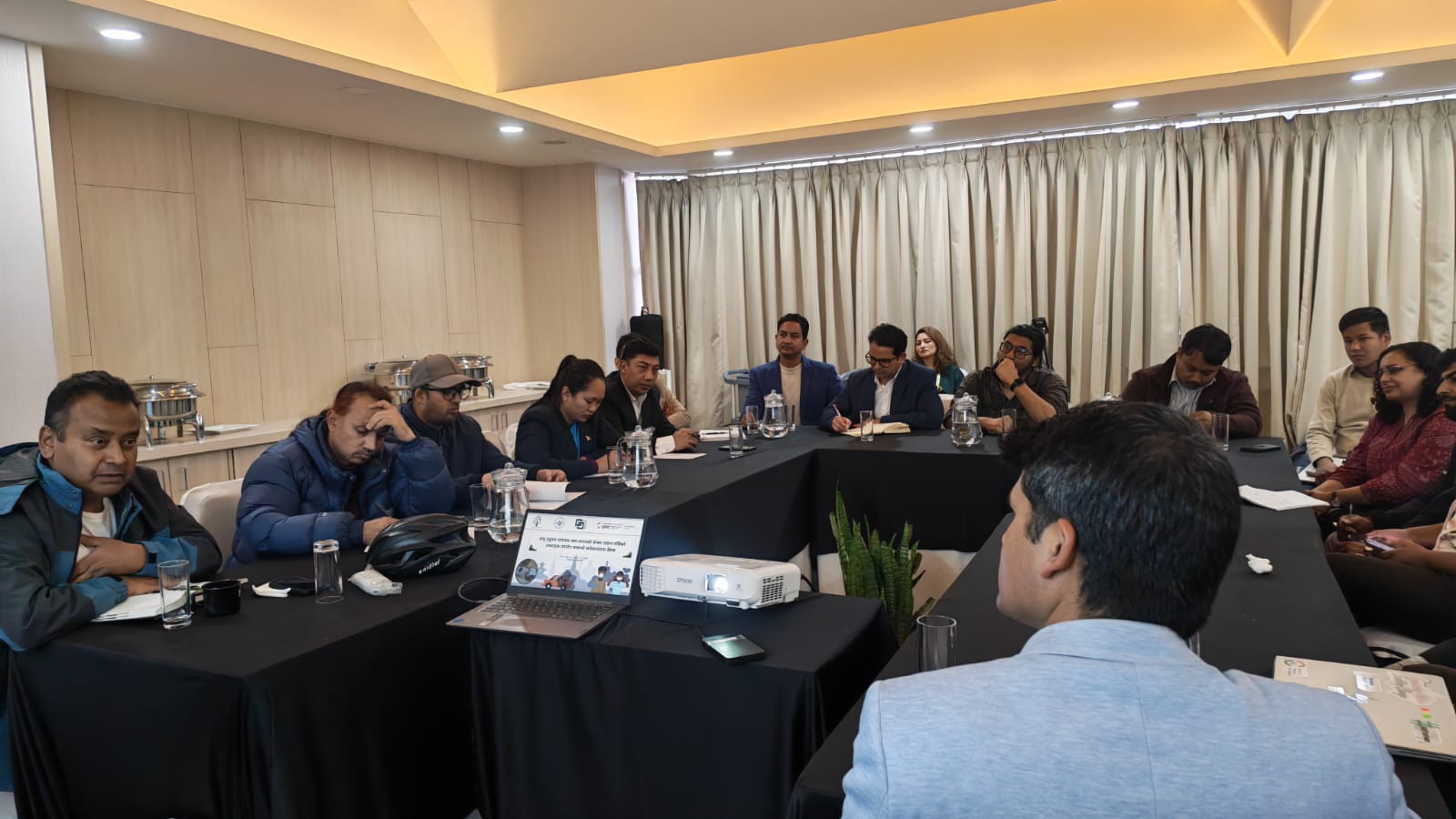
CLEAN UP NEPAL, in collaboration with Green Decision Labs and Research (GD Labs and Research) and Clean Energy Nepal, successfully organized a stakeholders’ meeting on “Low-Cost Air Sensor Installation and Its Data Uses in Air Pollution Monitoring” on 25 March 2026 in Kathmandu. The event was conducted as part of ongoing efforts to engage policymakers on air pollution issues and to strengthen commitments toward policy advocacy for pollution control and sustainable waste management.
The meeting aimed to enhance stakeholders’ understanding of low-cost air sensors, including their functionality, data reliability, and the need for proper regulation to ensure the credibility of citizen-generated air quality data. It also provided a platform to explore collective advocacy opportunities and identify key actions for developing operational guidelines for the effective use of such technologies.
Participants—including representatives from the Department of Environment, the National Disaster Risk Reduction and Management Authority, Kathmandu Metropolitan City, Lalitpur Metropolitan City, DPNet, academia, the private sector, and NGOs working in air pollution—emphasized the urgent need for standardized protocols for low-cost air sensors. They highlighted that such standards are essential for effective regulation, improved data accessibility, increased public awareness, and strengthened disaster preparedness related to air pollution.
The meeting concluded with clear next steps, including data analysis, local-level dissemination of findings, development of guidelines for low-cost sensors, contributions to the National Air Quality Management Plan, provision of technical support to local governments, and enhanced community and policy engagement. Participants also underscored the importance of scaling up the low-cost air quality monitoring network.
A total of 27 participants, including 9 women, actively contributed to the discussions. We extend our sincere thanks to the EPIC Air Quality Fund for supporting the organization of this event.